

An introduction to
RF safety around transmitting antennas
An introduction to RF safety around transmitting antennas
What Is RF?
What Is RF?
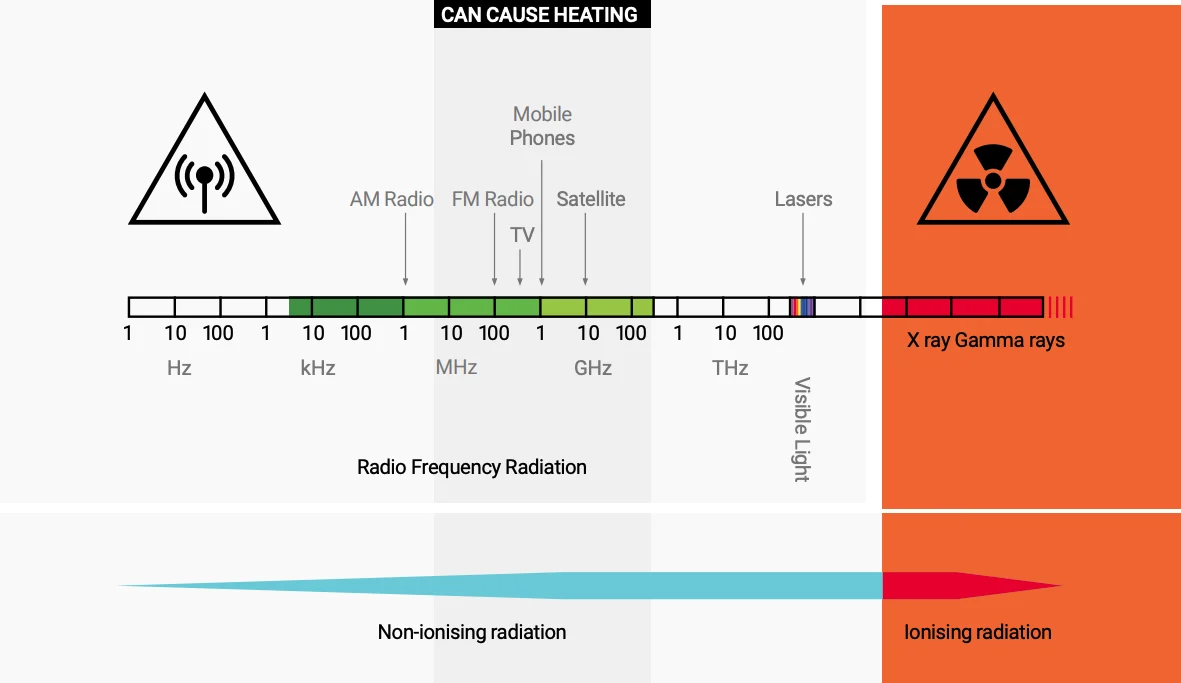
The Electromagnetic (EM) Spectrum
Why Limit Exposure?
Why Limit Exposure?
- RF exposure at sufficiently high-power densities will cause heating of the human body.
- Excessive heating can overload the body’s thermal regulating abilities, leading to overheating, dehydration and ultimately heatstroke, which is very dangerous to the worker.
- RF exposure is a recognised hazard and legislation requires limiting exposure to high levels thereof.
- Globally established exposure guidelines are defined by the likes of:
• EU Directive 2013/35/EU – Europe
• ICNIRP – Global
• FCC – USA
• Safety Code 6 – Canada
• ARPANSA – Australia
Why Limit Exposure?
Why Limit Exposure?
- RF exposure at sufficiently high-power densities will cause heating of the human body.
- Excessive heating can overload the body’s thermal regulating abilities, leading to overheating, dehydration and ultimately heatstroke, which is very dangerous to the worker.
- RF exposure is a recognised hazard and legislation requires limiting exposure to high levels thereof.
- Globally established exposure guidelines are defined by the likes of:
• EU Directive 2013/35/EU – Europe
• ICNIRP – Global
• FCC – USA
• Safety Code 6 – Canada
• ARPANSA – Australia
What Are The Limits?
What Are The Limits?
Where Are Limits Likely To Be Exceeded?
Where Are Limits Likely To Be Exceeded?
Understanding Exclusion Zones
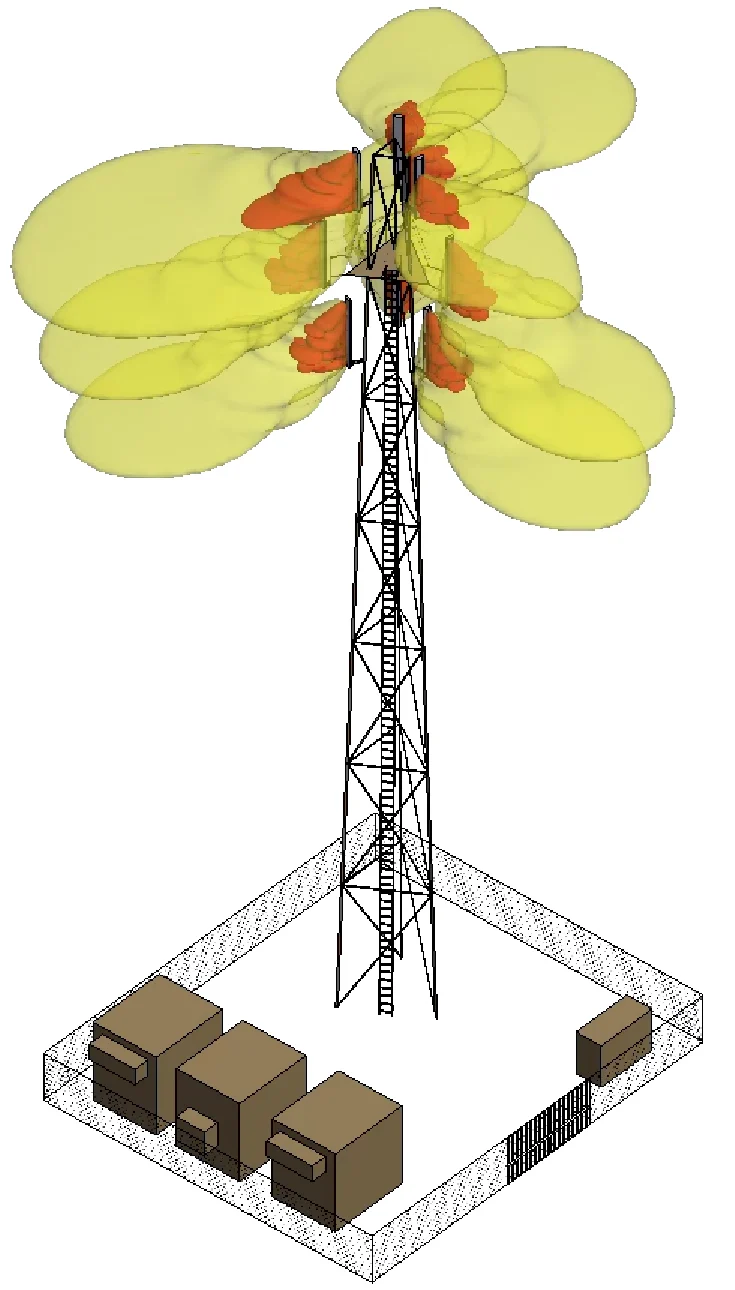
Exclusion zones created in Ixus EME Compliance Management Suite
www.ixusapp.com

Understanding Exclusion Zones
Exclusion zones created in Ixus EME Compliance Management Suite
www.ixusapp.com
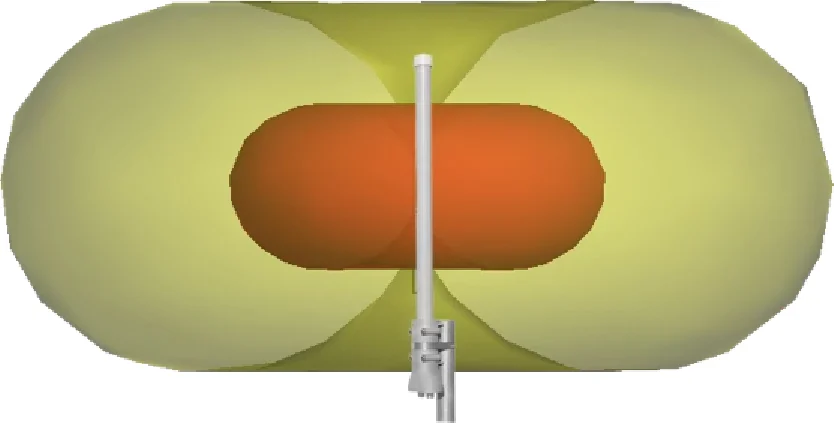
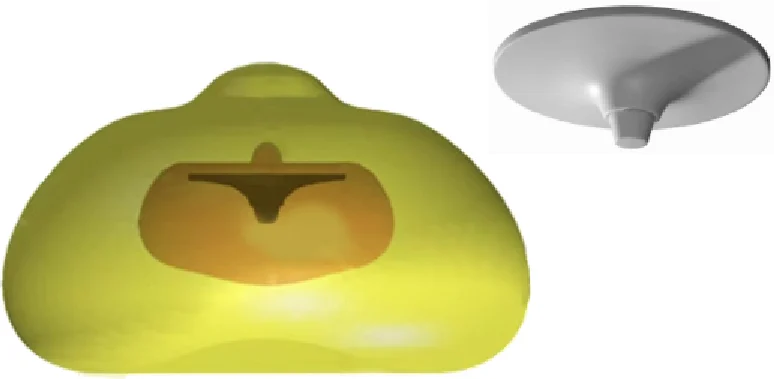
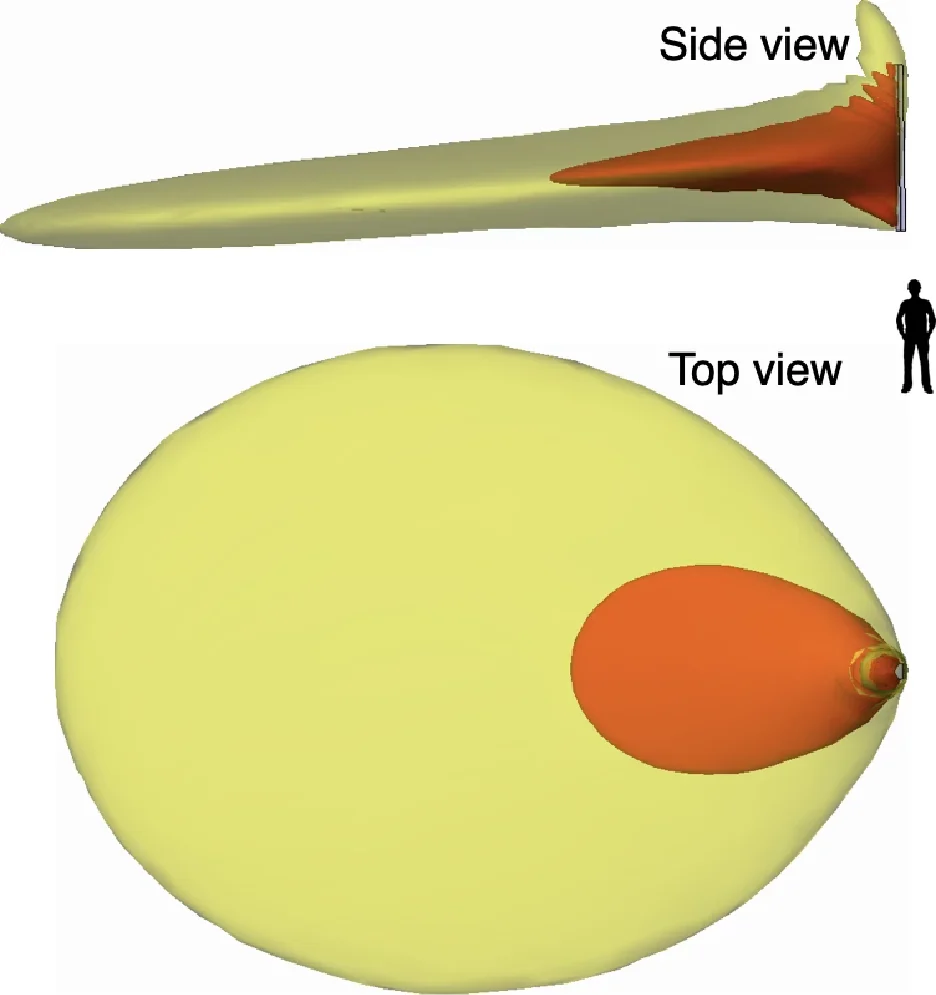
Common Antenna Types and Their Zones
Common Antenna Types and Their Zones

Safe Working Around Transmitting Antennas
Safe Working Around Transmitting Antennas
5 Factors to Consider When Choosing a Personal RF Monitor
5 Factors to Consider When Choosing a Personal RF Monitor
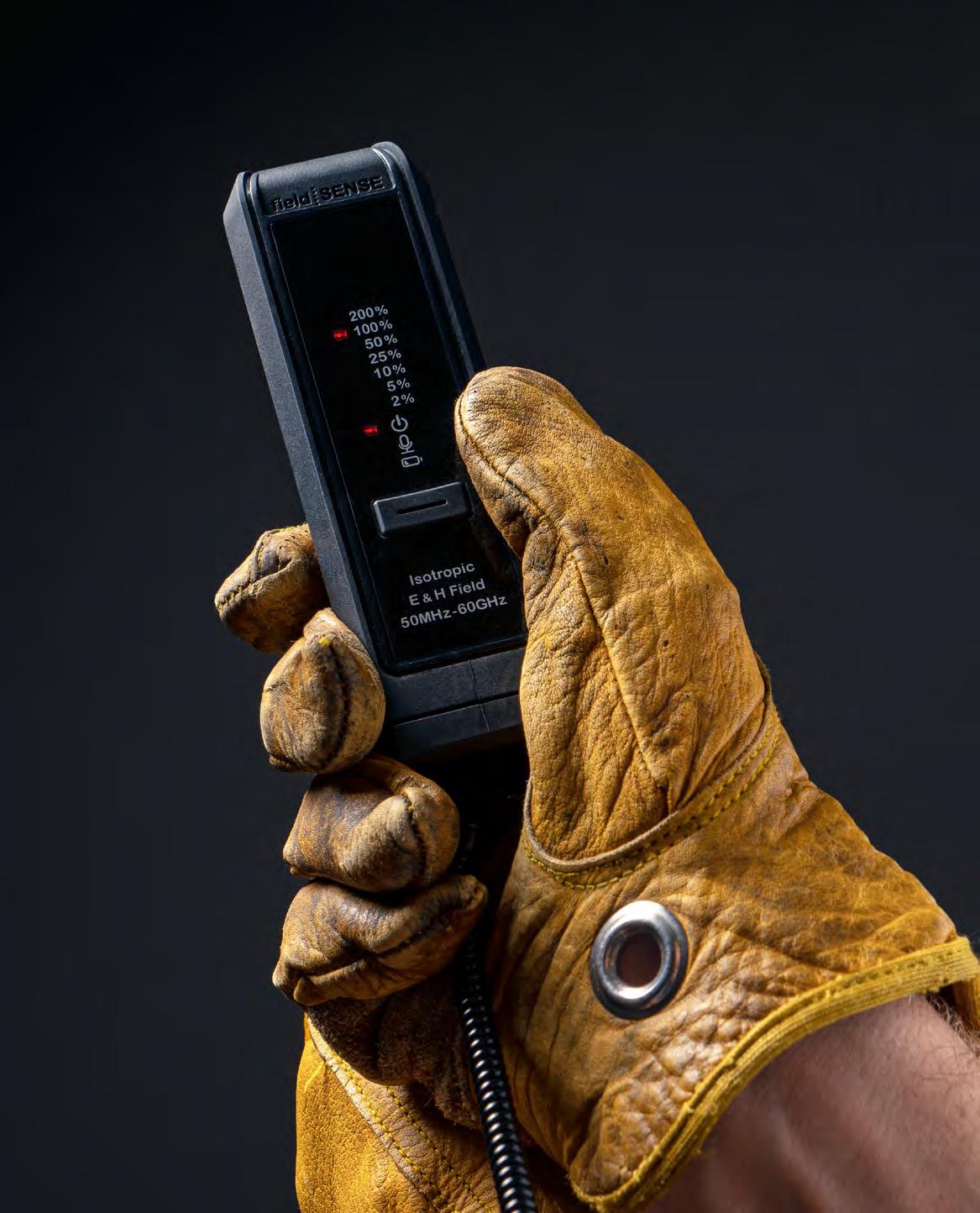
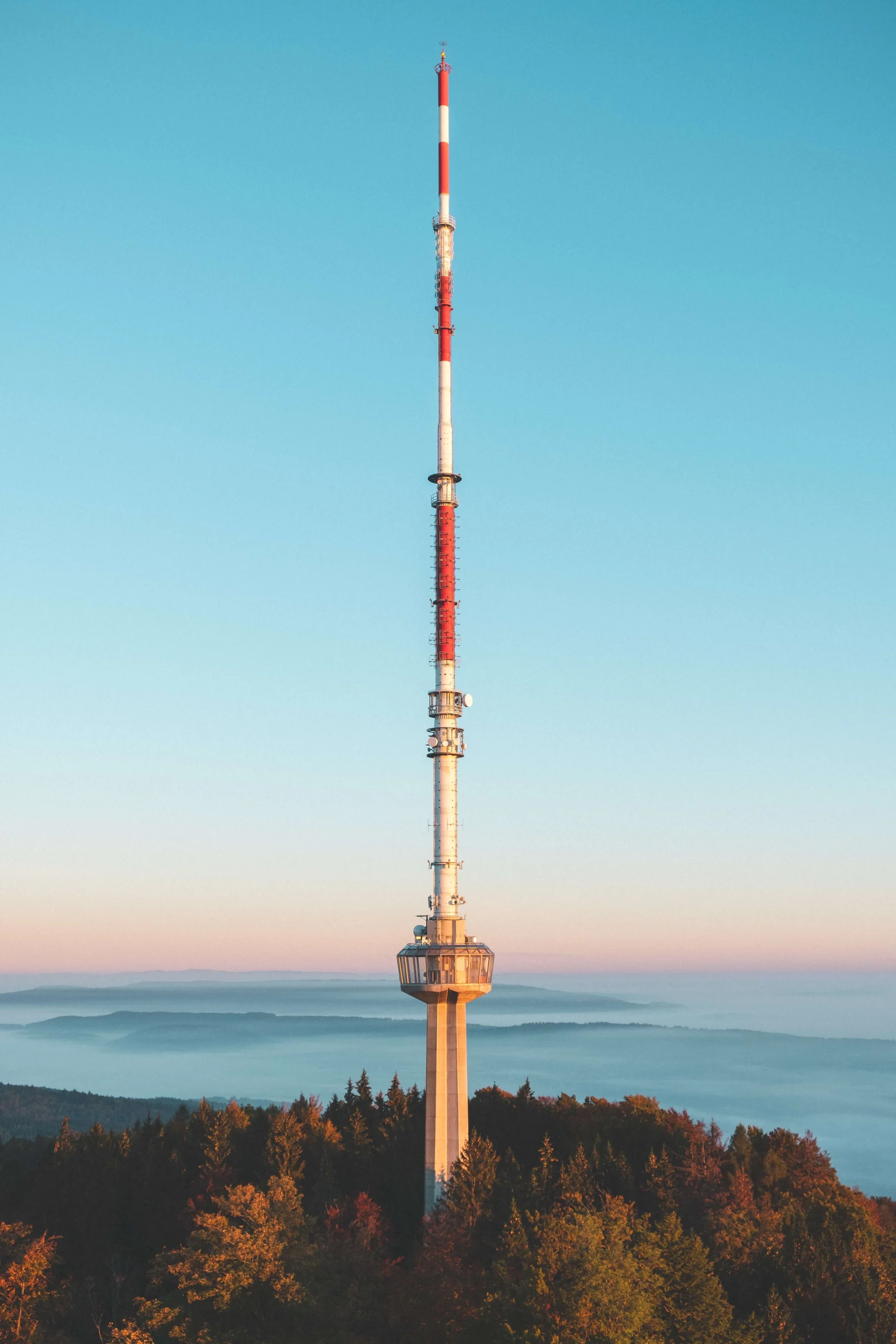
Personal RF safety monitors form part of the protective equipment worn on the body of the person working in areas exposed to radio spectrum radiation. The RF personal monitor is designed to warn of excessive RF exposure when working on, for example, industrial equipment, broadcasting towers, radar installations and other sources of electromagnetic radiation. Here are some key factors you should keep in mind when choosing a personal RF monitor.
Measuring in accordance with international guidelines requires:
Shaped response to account for the human body’s susceptibility for RF absorption
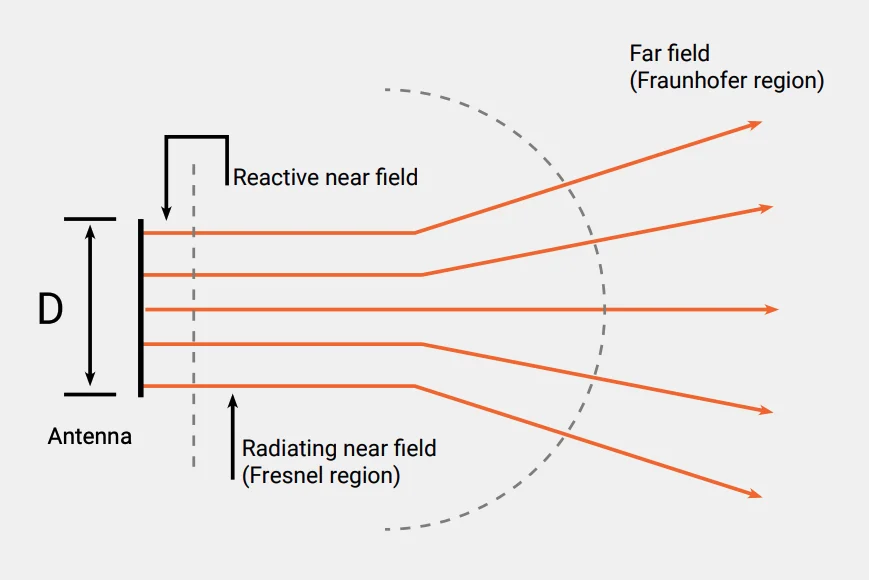
Both Electric (E) and Magnetic (H) field probes for accurate farfield and near field assessment
Isotropic probe architecture for sources of radiation from multiple directions and polarizations
On-body and handheld operation
A broad-range exposure indicator in percentage of cumulative exposure


